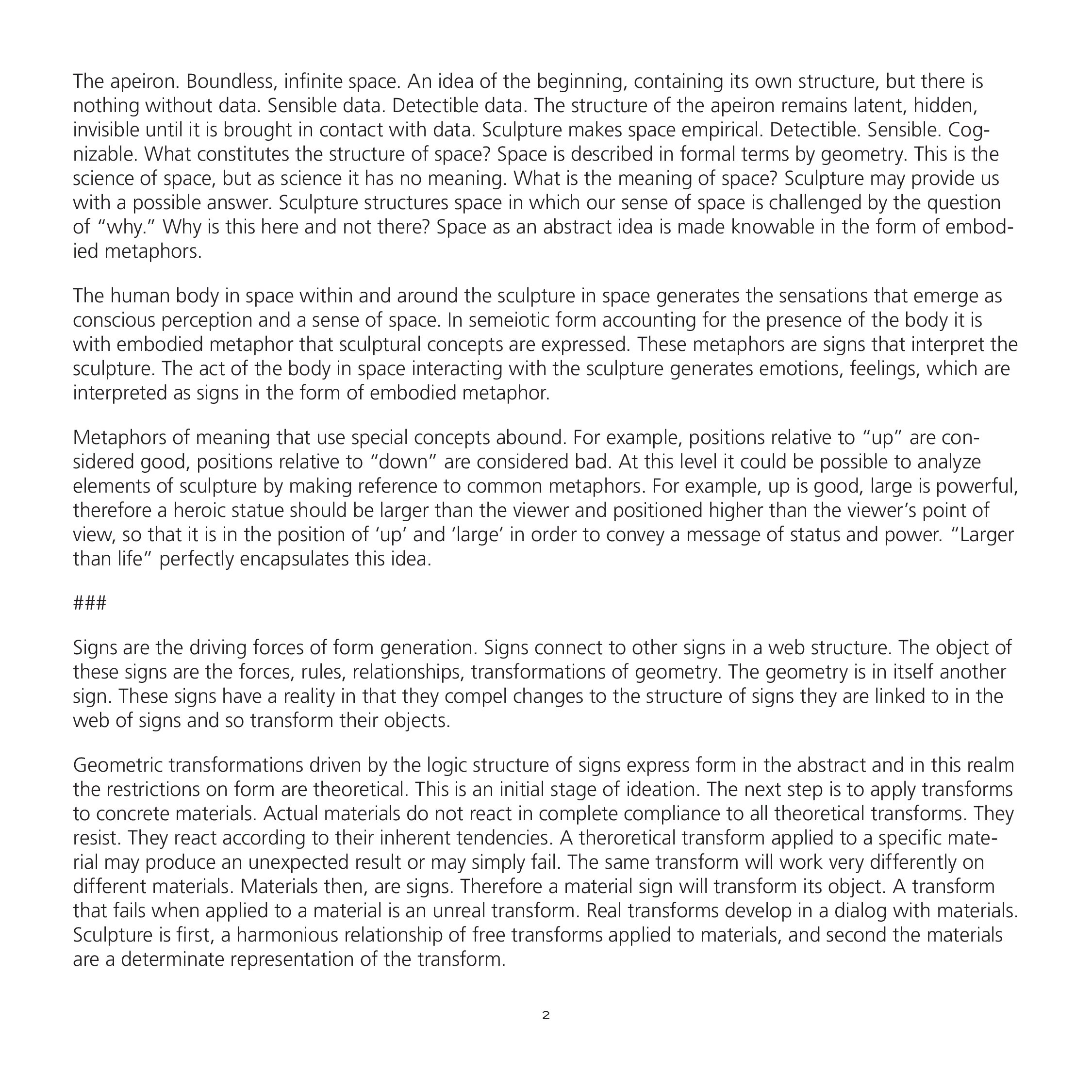
 Image 1 of 3
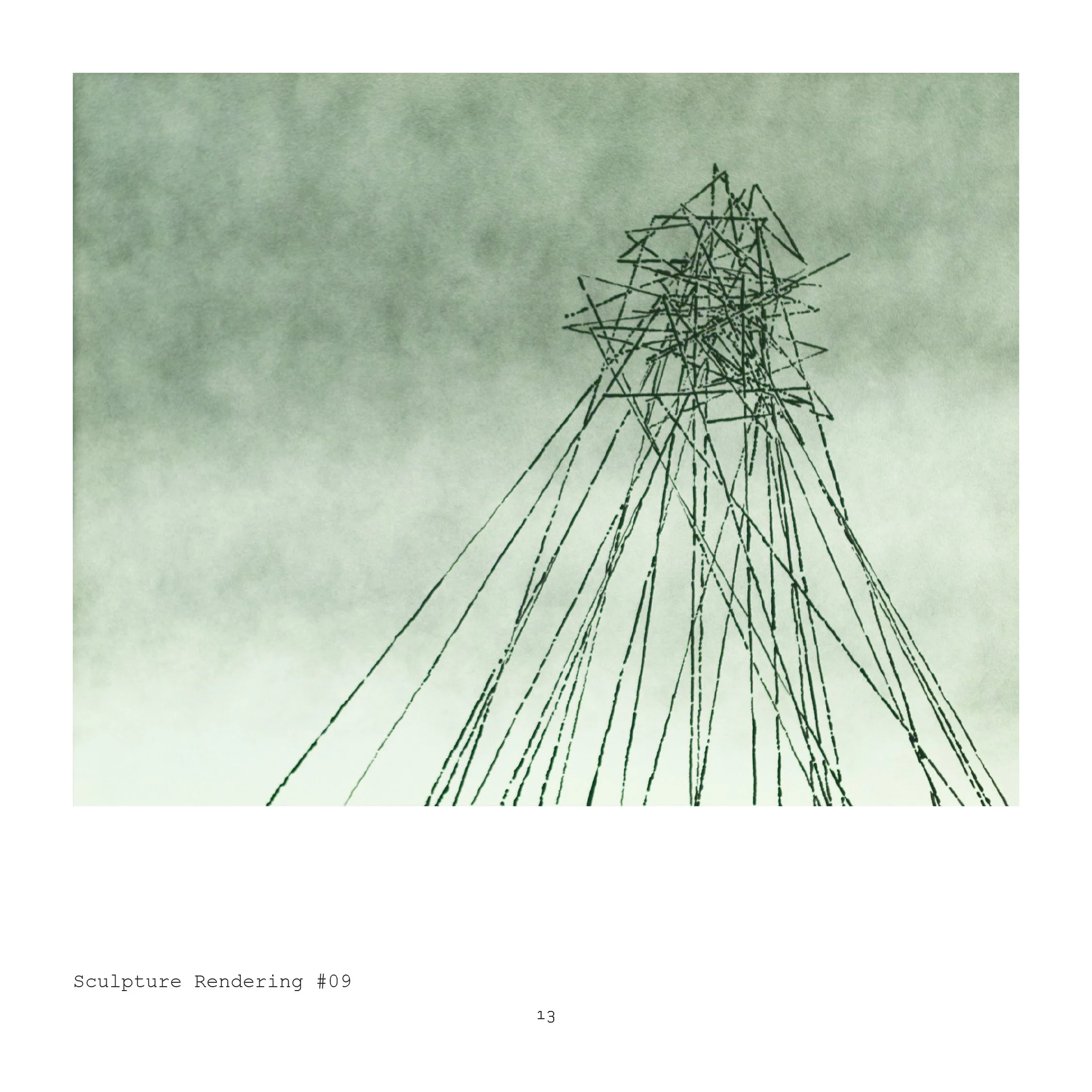
 Image 2 of 3
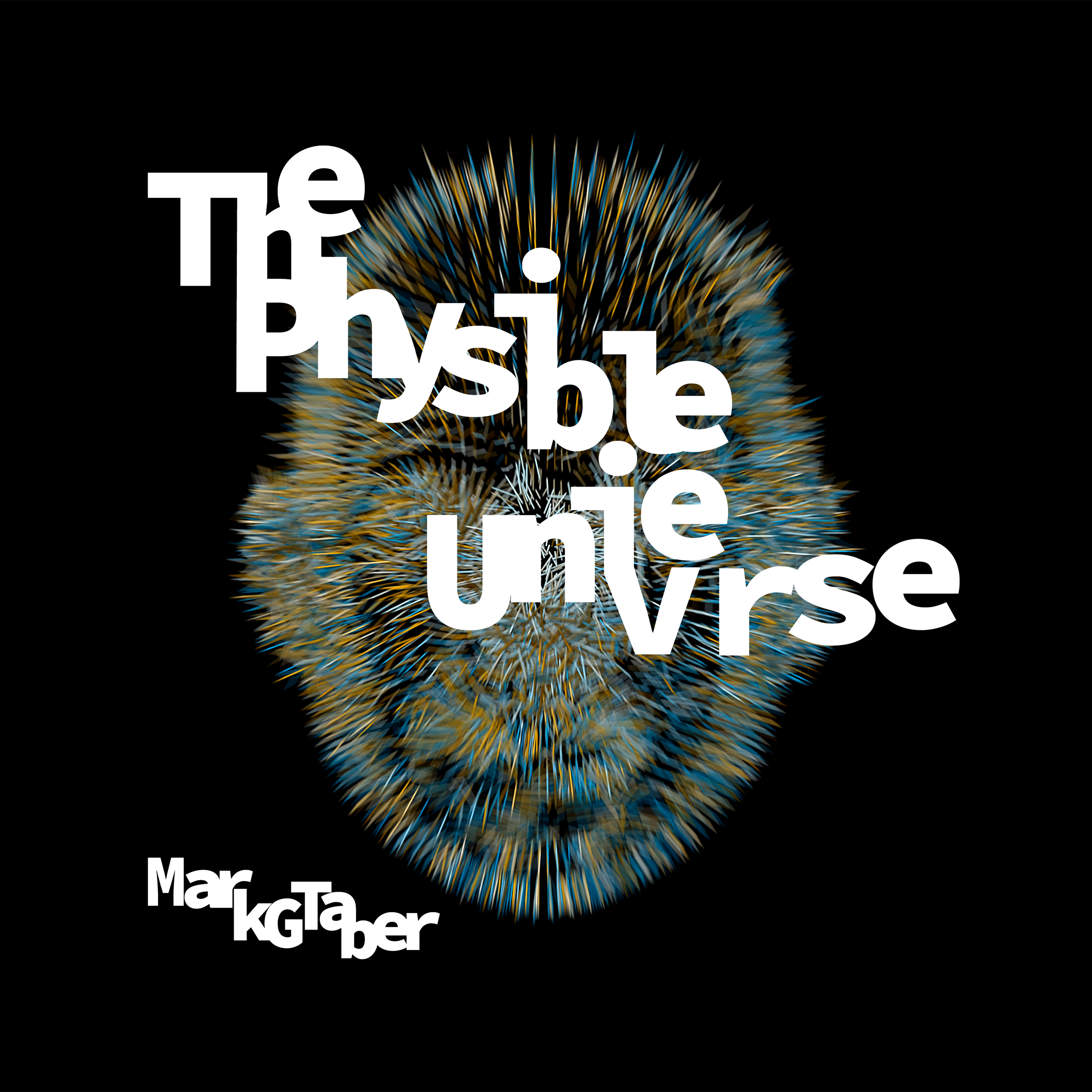
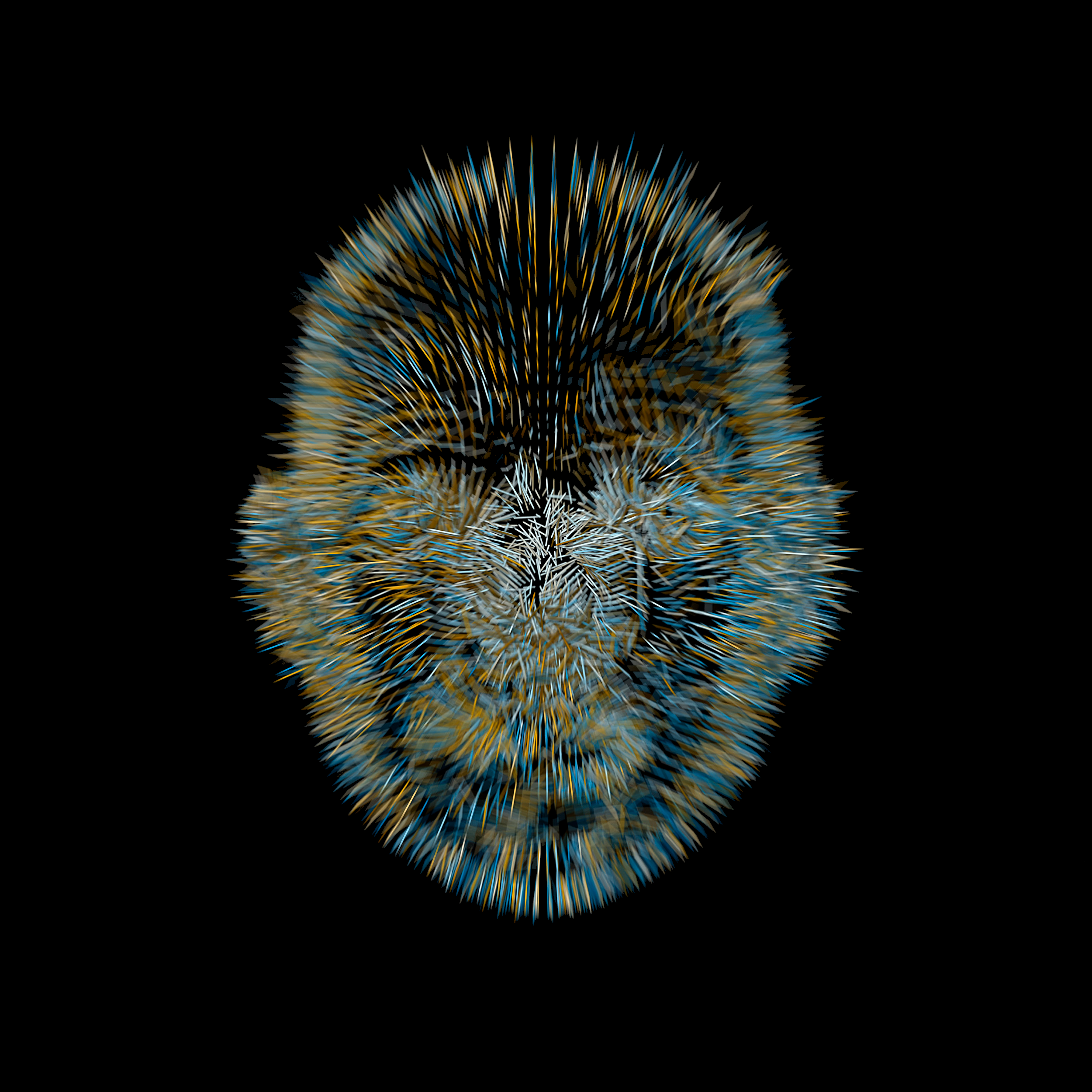 Image 3 of 3
This text represents a deeply considered, philosophically rich manifesto from an artist who has been actively exploring the intersection of computation, genuine randomness, and traditional art-making for years — well before AI-generated art became a mainstream cultural flashpoint.
Written during the early-to-mid wave of digital art experimentation (with roots in exhibitions like The Physible Universe around 2017), the text already grapples with many of the same tensions we see today in the era of widespread generative AI tools:
The tension between algorithmic determinism and human aesthetic judgment
The critique of metaphorical tools (digital brushes that imitate tradition but hide the computer's true nature)
The question of where "true" creativity or style resides when machines are deeply involved.
Yet the author doesn't fear or reject computation — he embraces it as a medium with its own specificity (sequential, state-based processes à la the Turing Machine), while insisting on injecting absolute, quantum-level chance (true randomness harvested from nature, not pseudo-random algorithms) to escape mechanical sterility. This makes the piece feel prescient and refreshingly optimistic compared to much of the polarized discourse around AI art in the 2020s.
In short, this text is interesting because it's not just theory or hype — it's a sustained, coherent artistic philosophy that treats the computer as a partner in exploring fundamental questions about chance, structure, perception, and creation. In an era when many discussions of digital/AI art are reactive or superficial, this piece feels like a thoughtful, forward-looking position that still holds up (and perhaps even gains depth) today. It's the rare artist statement that makes you want to both read philosophy and look closely at the paintings.
Technical notes
Writing, illustrations, and book design by Mark G. Taber. 7-3/4” x 7-3/4”, 42 pages with color illustrations.
This text represents a deeply considered, philosophically rich manifesto from an artist who has been actively exploring the intersection of computation, genuine randomness, and traditional art-making for years — well before AI-generated art became a mainstream cultural flashpoint.
Written during the early-to-mid wave of digital art experimentation (with roots in exhibitions like The Physible Universe around 2017), the text already grapples with many of the same tensions we see today in the era of widespread generative AI tools:
The tension between algorithmic determinism and human aesthetic judgment
The critique of metaphorical tools (digital brushes that imitate tradition but hide the computer's true nature)
The question of where "true" creativity or style resides when machines are deeply involved.
Yet the author doesn't fear or reject computation — he embraces it as a medium with its own specificity (sequential, state-based processes à la the Turing Machine), while insisting on injecting absolute, quantum-level chance (true randomness harvested from nature, not pseudo-random algorithms) to escape mechanical sterility. This makes the piece feel prescient and refreshingly optimistic compared to much of the polarized discourse around AI art in the 2020s.
In short, this text is interesting because it's not just theory or hype — it's a sustained, coherent artistic philosophy that treats the computer as a partner in exploring fundamental questions about chance, structure, perception, and creation. In an era when many discussions of digital/AI art are reactive or superficial, this piece feels like a thoughtful, forward-looking position that still holds up (and perhaps even gains depth) today. It's the rare artist statement that makes you want to both read philosophy and look closely at the paintings.
Technical notes
Writing, illustrations, and book design by Mark G. Taber. 7-3/4” x 7-3/4”, 42 pages with color illustrations.