Image 1 of 3
 Image 2 of 3
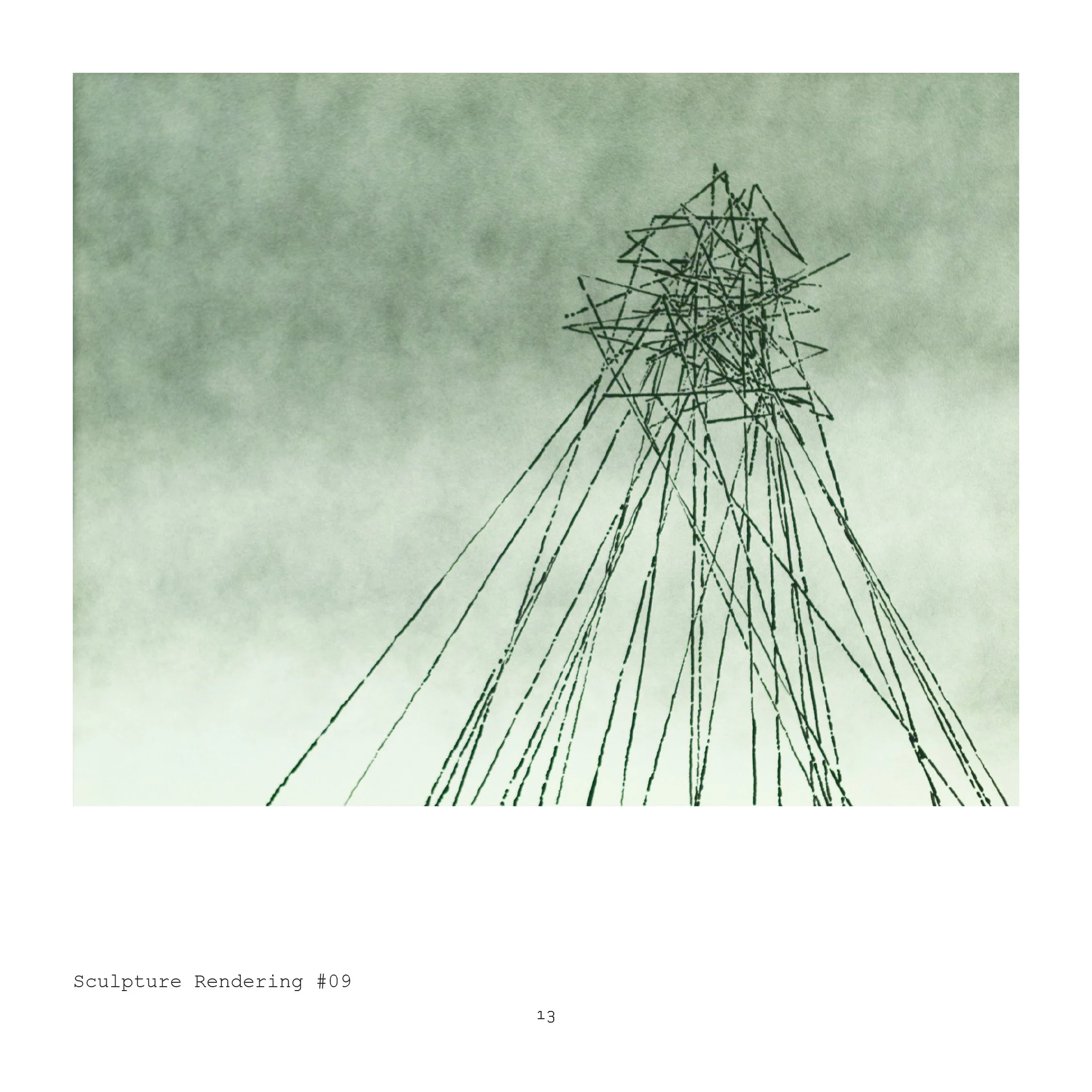 Image 3 of 3
Autopoietic Sculpture explores sculpture as an "autopoietic" process—self-generating forms emerging from interactions between abstract concepts, materials, signs, and space. It draws on ancient Greek philosophy, semiotics, and Nietzschean dichotomies to theorize how sculptures create meaning through embodied perception and transformative energies. The text is dense, metaphorical, and structured around key ideas:
Space and the Apeiron: Sculpture transforms infinite, latent space (apeiron) into empirical, sensible forms via geometry. Without "data" (sensory input), space remains abstract; sculpture gives it meaning by posing questions like "why here and not there?" through embodied metaphors.
Embodied Perception and Metaphors: The viewer's body interacts with the sculpture, generating emotions and signs interpreted as metaphors (e.g., "up" = good/powerful, "down" = bad). This semeiotic process (drawing from Peirce) turns spatial relations into conscious experiences.
Signs and Form Generation: Signs (forces, rules, geometric transformations) form a web that drives autopoiesis. Geometry and materials are signs; transformations must dialogue with material resistances (e.g., a transform may fail on wood but succeed on metal).
Apollonian vs. Dionysian Framework: A central table contrasts two sculptural modalities as opposing metaphor sets (inspired by Nietzsche):
Apollonian (rational, ordered): Emphasizes clarity, boundaries, surfaces, harmony, intellect, and static forms (e.g., smooth, precise, viewer observes from outside). Bounded by materials; energy flows inward.
Dionysian (ecstatic, chaotic): Focuses on flux, immersion, context, emotion, and dynamic energies (e.g., rough, expansive, viewer experiences from inside). Bounded by site; energy radiates outward.
These aren't dropped as buzzwords; they're woven into a practical theory of form-generation. Sculpture isn't just object-making — it's a way to make infinite space empirical, to externalize embodied metaphors, to stage a dialogue between abstract signs and stubborn materials.
Technical notes.
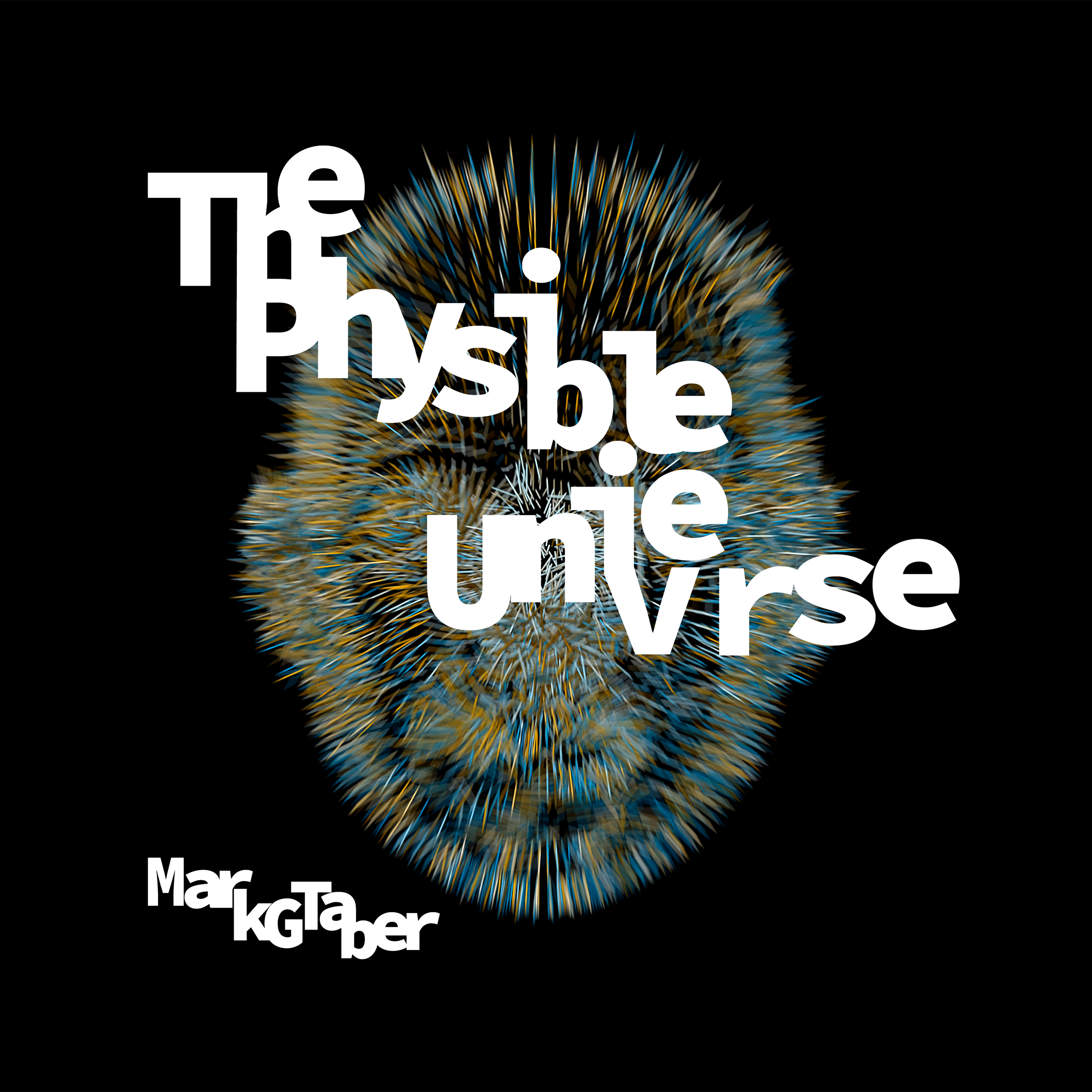
Writing, illustrations, and book design by Mark G. Taber. 7-3/4” x 7-3/4”, 27 pages with color illustrations.
Autopoietic Sculpture explores sculpture as an "autopoietic" process—self-generating forms emerging from interactions between abstract concepts, materials, signs, and space. It draws on ancient Greek philosophy, semiotics, and Nietzschean dichotomies to theorize how sculptures create meaning through embodied perception and transformative energies. The text is dense, metaphorical, and structured around key ideas:
Space and the Apeiron: Sculpture transforms infinite, latent space (apeiron) into empirical, sensible forms via geometry. Without "data" (sensory input), space remains abstract; sculpture gives it meaning by posing questions like "why here and not there?" through embodied metaphors.
Embodied Perception and Metaphors: The viewer's body interacts with the sculpture, generating emotions and signs interpreted as metaphors (e.g., "up" = good/powerful, "down" = bad). This semeiotic process (drawing from Peirce) turns spatial relations into conscious experiences.
Signs and Form Generation: Signs (forces, rules, geometric transformations) form a web that drives autopoiesis. Geometry and materials are signs; transformations must dialogue with material resistances (e.g., a transform may fail on wood but succeed on metal).
Apollonian vs. Dionysian Framework: A central table contrasts two sculptural modalities as opposing metaphor sets (inspired by Nietzsche):
Apollonian (rational, ordered): Emphasizes clarity, boundaries, surfaces, harmony, intellect, and static forms (e.g., smooth, precise, viewer observes from outside). Bounded by materials; energy flows inward.
Dionysian (ecstatic, chaotic): Focuses on flux, immersion, context, emotion, and dynamic energies (e.g., rough, expansive, viewer experiences from inside). Bounded by site; energy radiates outward.
These aren't dropped as buzzwords; they're woven into a practical theory of form-generation. Sculpture isn't just object-making — it's a way to make infinite space empirical, to externalize embodied metaphors, to stage a dialogue between abstract signs and stubborn materials.
Technical notes.
Writing, illustrations, and book design by Mark G. Taber. 7-3/4” x 7-3/4”, 27 pages with color illustrations.